
Mastering Transportation Challenges for Luxurious Travel Experiences
Travel is thrilling, but the journey from one place to another can test your patience. Flights get delayed, trains run late, buses may not follow a clear schedule, and rideshare prices can spike unexpectedly. Even the most meticulously planned trip can feel overwhelming when transportation becomes unpredictable.
That’s why mastering transportation challenges is one of the most valuable travel skills you can develop. Whether you’re planning a solo getaway, a family vacation, or an extended cultural adventure, effective transportation planning can save time, reduce stress, and enhance your enjoyment of the destination.
At Pleasant Point HomeStays International, we believe that comfortable travel encompasses more than just your accommodation. It also includes how effortlessly you navigate through a destination. In this guide, we’ll share practical travel tips, smart advice, and realistic solutions to common transportation issues travelers encounter before and during their trips.
The Importance of Transportation Planning
Transportation impacts nearly every aspect of your trip. It influences your budget, energy levels, safety, and how much you can see and do. A missed connection can force you to skip activities. A confusing public transit system can waste hours. Poor planning can turn a wonderful destination into a frustrating experience.
Research on travel stress has consistently shown that uncertainty, time pressure, and lack of control can make travel feel more exhausting than expected. In practical terms, this means that simple transportation planning can significantly enhance your overall trip experience. When you know your options in advance, you’re more likely to remain calm and adaptable when plans change.
For travelers seeking useful travel advice, this is a crucial lesson: transportation is not just a detail; it’s a major component of successful trip planning.

Common Transportation Challenges While Traveling
1. Delays and Cancellations
Flight delays and last-minute cancellations are among the most frequent travel disruptions. Weather conditions, staffing issues, traffic congestion, and mechanical checks can all affect travel schedules. These issues can create a ripple effect that impacts hotel check-ins, tours, meal reservations, and connecting transport.
What Helps
Leave ample space between connections.
Book arrivals earlier in the day when possible.
Keep both digital and printed copies of reservations.
Have a backup route in mind.
2. Confusing Public Transit Systems
Many cities boast excellent bus, train, tram, or metro systems, but that doesn’t always mean they are easy for visitors to navigate. Route maps, ticketing systems, station entrances, and transfer points can be perplexing, especially after a long travel day.
What Helps
Download local transit maps before arrival.
Learn a few basic transit terms in the local language.
Save your accommodation address offline.
Ask your host which station or stop is easiest to use.
Staying with a travel-focused brand like Pleasant Point HomeStays International can make a significant difference. Helpful local guidance can reduce the time spent guessing and increase the time spent exploring.
3. Limited Transportation in Smaller Destinations
While popular city breaks often offer multiple transport options, smaller towns, beach areas, and rural destinations may have fewer buses, less frequent taxis, or no rideshare coverage. This can surprise travelers who assume transport will be easy everywhere.
What Helps
Check transportation availability before booking activities.
Ask if your accommodation can arrange transfers.
Confirm operating hours for buses and ferries.
Consider walking distance to restaurants, shops, and key attractions.
This is particularly useful when selecting among the best travel destinations. A stunning location is not always convenient, so transportation access should be part of your planning.
4. Language Barriers
Transportation becomes more challenging when signs, ticket machines, and route changes are not in a language you understand. Even something as simple as asking which platform to use can feel stressful.
What Helps
Save screenshots of key directions.
Use translation apps for signs and communication.
Carry your destination written clearly.
Learn a few phrases related to transport, such as “station,” “ticket,” and “where.”
5. Budget Surprises
Transportation costs can quickly impact your trip budget. Airport taxis, luggage fees, toll roads, and premium train tickets can add up faster than expected. This is especially important for travelers looking for budget travel tips.
What Helps
Compare airport transfer options before you land.
Check if day passes are cheaper than single tickets.
Budget for both planned and emergency transport.
Avoid assuming rideshare is always the least expensive option.

Smart Travel Tips for Smoother Transportation
Transportation problems don’t always stem from major disruptions. Sometimes they arise from small oversights that accumulate throughout a trip. Here are practical travel tips that can make a significant difference.
Plan Your First 24 Hours Carefully
Your arrival day is often when transportation feels most challenging. You may be tired, carrying bags, managing kids, or adjusting to a new environment. That’s why the first transfer matters so much.
Before you leave home, make sure you know:
How you will get from the airport, station, or port to your accommodation.
What time transport stops running.
The approximate fare.
Whether cash, card, or an app is required.
This is useful for both solo travel tips and family travel advice. Families often need easier routes with less walking, while solo travelers may prioritize safety and simplicity.
Keep Backup Options Ready
A robust transportation plan includes a backup. If your train is canceled, what’s next? If a bus never arrives, can you walk safely, call a taxi, or change your route?
Create a short backup list:
One alternate route.
One taxi or transfer option.
One offline map.
One emergency contact.
This approach provides flexibility without overplanning every moment.
Travel Lighter When Possible
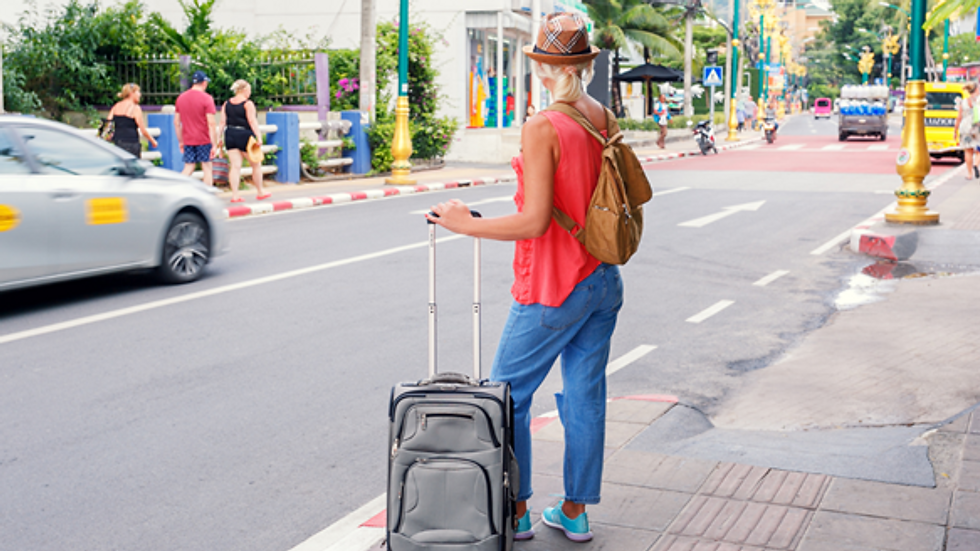
Heavy luggage complicates transportation. It slows down transfers, adds costs, and creates stress on stairs, trains, and crowded sidewalks. One of the most overlooked travel packing strategies is simply packing with mobility in mind.
Bring:
A bag you can carry comfortably.
Shoes suitable for walking.
A small day bag for documents, water, and chargers.
A portable power bank for maps and booking apps.
A lighter load makes buses, trains, ferries, and short walks much easier.

Best Travel Apps and Tools for Transportation
Digital tools can help travelers resolve transportation problems more quickly, especially in unfamiliar destinations. When used effectively, they are practical rather than overwhelming.
Useful categories include:
Maps apps for walking, transit, and offline navigation.
Local transit apps for live route updates.
Translation apps for signs and communication.
Rideshare or taxi apps for quick transport alternatives.
Rail and flight apps for schedule changes and boarding updates.
For readers searching for the best travel apps, the most effective strategy is not to download everything. Instead, choose a few tools that address real problems and learn how to use them before your trip begins.

Transportation Tips for Different Types of Travelers
Solo Travelers
Solo travelers often move quickly and have more flexibility, but they also make every transportation decision on their own. This can be tiring in unfamiliar places.
Helpful solo travel tips include:
Arrive during daylight when possible.
Share your route with someone you trust.
Avoid isolated transport stops late at night.
Choose accommodations with easy access to central transport.
Families
Families have different transportation needs. Stroller access, travel breaks, luggage space, and bathroom availability matter much more when traveling with children.
Useful family travel advice includes:
Book direct routes when possible.
Leave extra time for each transfer.
Pack snacks, water, and entertainment.
Stay in locations close to major attractions or transit hubs.
Budget Travelers
Transportation can be one of the easiest areas to save money, but only with planning. Last-minute choices often cost more.
Strong budget travel tips include:
Use airport buses instead of private cars when practical.
Travel outside peak times.
Book longer-distance rail or bus tickets early.
Walk shorter distances when the route is safe and simple.
Sustainable Travel Tips for Transportation
Choosing transportation wisely can also support more responsible travel. According to the International Energy Agency and other transportation research sources, shared and public transportation options generally reduce per-person emissions compared with single-occupancy car travel, especially on common urban routes. This makes transport choices part of more sustainable trip planning.
Simple sustainable travel tips include:
Use trains or buses when they are practical.
Walk between nearby attractions.
Combine activities by neighborhood to reduce repeat trips.
Support local transport providers where appropriate.
Sustainable travel doesn’t need to be complicated. Often, the greener option is also the more affordable and immersive one.
How Accommodation Choice Can Reduce Transportation Stress
One of the smartest ways to address transportation issues is to choose accommodations in the right location. A comfortable stay is valuable, but a well-located stay can enhance your entire trip.
When booking, consider:
Distance from airports, train stations, or transit stops.
Walkability to dining and attractions.
Availability of taxis or local drivers.
Whether your host offers destination-specific guidance.
This is where Pleasant Point HomeStays International stands out. Travelers don’t just need a place to sleep; they need a stay that supports the flow of the journey as a whole. The right home stay can reduce daily transport stress, help you navigate a destination more confidently, and make your trip feel more relaxed from the start.

A Simple Transportation Checklist Before You Travel
For practical travel planning support, use this quick checklist before any trip:
Confirm how you will leave the airport or station.
Download maps and key apps before departure.
Save accommodation details offline.
Check local payment methods for transport.
Look up late-night or weekend schedule changes.
Keep a little room in your budget for unexpected transport.
Pack light enough to move comfortably.
These steps may seem basic, but they solve many of the transportation problems travelers face every day.
Travel Better by Moving Smarter
Transportation challenges are a normal part of travel, but they don’t have to dictate your experience. A little planning, a flexible mindset, and the right accommodation can make even complicated routes easier to manage. Whether you’re navigating a bustling city, a serene coastal town, or a destination with limited transit, smart choices help you focus on the experience rather than the stress.

Plan Your Next Stay with Pleasant Point HomeStays International
Looking for a more comfortable and practical way to travel? Pleasant Point HomeStays International helps travelers enjoy well-positioned stays that make their trips smoother and more enjoyable from arrival to departure. Explore your next travel experience at https://www.pleasantpointhomestaysinternational.com/ and discover how the right stay can make every journey easier.



keo nha cai mình thấy mọi người nhắc hoài nên tò mò bấm vào xem thử giao diện thế nào. Mình không có ngồi soi từng mục hay nội dung gì đâu, chỉ lướt qua kiểu “xem họ sắp xếp ra sao” thôi. Ấn tượng đầu là bố cục nhìn khá thoáng, các khối thông tin chia ra rõ ràng nên kéo xuống không bị ngợp. Mình thích nhất là phần menu đặt dễ thấy, bấm qua lại vài mục cũng nhanh, không phải mò nhiều. Mấy bảng ô thông tin hiển thị theo cột nhìn gọn, chữ không bị dính vào nhau nên đọc lướt vẫn nắm được ý. Nói chung cảm giác dùng ổn, kiểu vào xem vài…
Mình chơi xổ số chủ yếu cho vui nên hay đọc thêm vài ý kiến nhận định để tham khảo, chứ không kỳ vọng phải trúng gì to. Hồi trước mình chọn số khá ngẫu hứng, khi thì theo giấc mơ, khi thì thấy số nào xuất hiện nhiều ngoài đường là ghi lại, nhưng làm vậy dễ bị cuốn theo cảm xúc. Dạo này mình thử xem dự đoán xsmb từ mấy nguồn khác nhau rồi tự ghi chú lại họ soi theo lô rơi, chu kỳ hay thống kê kiểu gì, sau đó so với cách mình hay nghĩ. Có lần trùng, có lần lệch, nhưng ít nhất giúp mình tỉnh táo hơn và biết lúc nào nên…